
 CBD Softgels
 CBD Gummies
 CBD Cream
You can shop safely at online CBD stores by verifying a batch-specific COA, confirming hemp source and CO2 extraction, checking THC limits, and reviewing ingredients, shipping, and return policies before you buy.
Every store says third-party tested, but labels and COAs can still be unclear. Use this simple checklist to quickly confirm quality, legality, and transparency.
What makes an online CBD store "safe" to buy from?

You are about to spend money on a product you cannot touch, smell, or inspect in person, so a "safe" online CBD store is one you can verify fast. A store is safe when it has verifiable sourcing, clean extraction, transparent testing, accurate labeling, and clear policies that you can read before you buy.
Every site can paste a "lab tested" badge on a product page. That badge means nothing if the Certificate of Analysis (COA) is missing, outdated, or not tied to your exact bottle. A safe store makes the proof easy to find and easy to match.
Here are the most common risk areas when a store is not transparent:
- Mislabeled potency: the label says one amount, the COA shows another.
- Missing contaminants panel: no test results for contaminants such as heavy metals or pesticides.
- Unclear THC reporting: the COA shows a single THC value, but you are not told what it means.
- Scam storefront signals: vague contact info, copied product photos, and no real policy pages.
Step 1: Verify the COA (Certificate of Analysis) before you buy
A safe store provides a recent, batch-specific COA that matches the exact product you are buying. If the COA is not batch-specific, you are guessing.
What a real COA should include
A real COA is not a screenshot with random numbers. It is a lab report with clear identifiers. Look for:
- Product name that matches the listing.
- Batch number or lot number.
- Test date and a lab name.
- A potency panel that lists cannabinoid amounts.
- THC reporting that is clearly shown, such as Delta-9 THC and/or Total THC.
- A contaminants panel that covers key safety checks, such as heavy metals, pesticides, residual solvents, and microbials. Some reports also include mycotoxins.
If a store only shows potency and skips contaminants, that is not full transparency.
How to match the COA to the label in 60 seconds
You do not need to be a lab expert. Do these three checks:
- Match the batch number on the bottle to the batch number on the COA. If it does not match, stop.
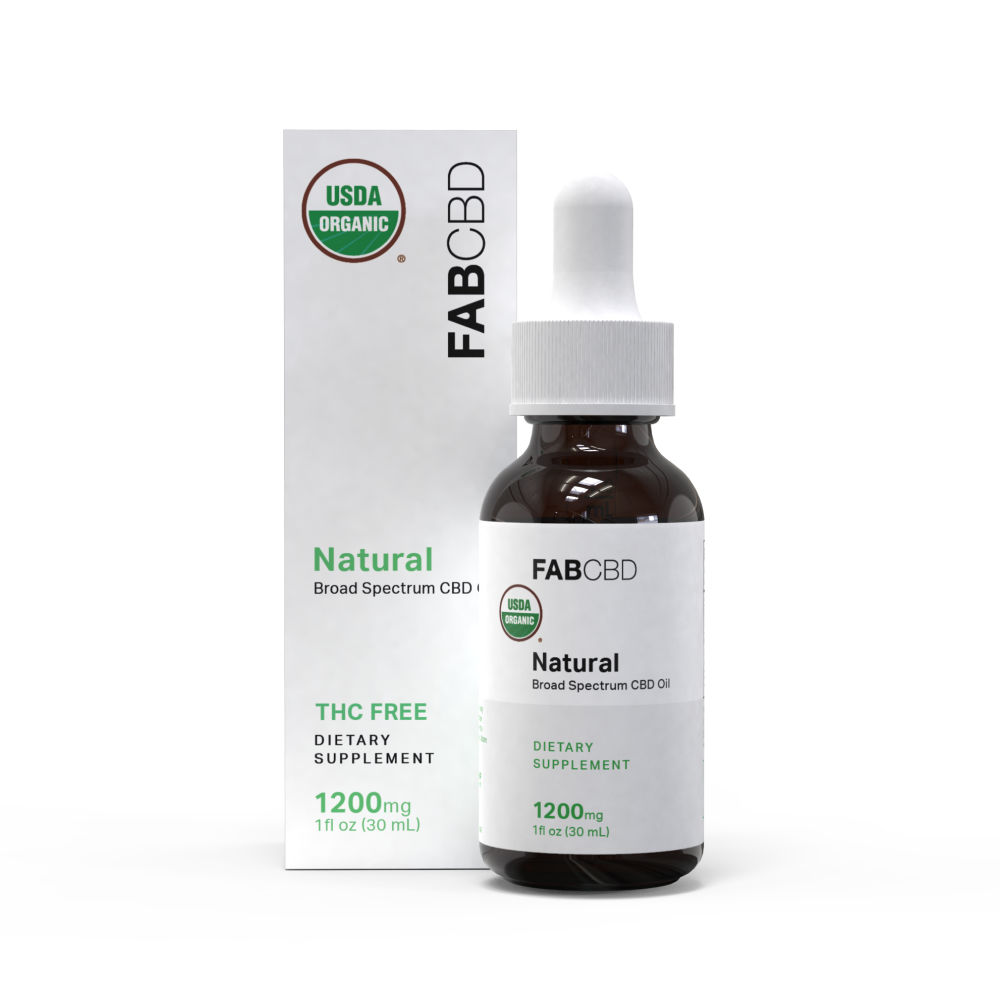
- Compare the label's total CBD mg to the potency panel's support. If the label says 1200 mg total CBD, the numbers on the report should match that total, based on the product size.
- If THC is a concern for you, confirm how the report lists THC and whether it includes Total THC or only Delta-9 THC.
Step 2: Confirm hemp source and farming standards
Hemp sourcing matters because hemp can absorb contaminants from the soil, so origin and farming practices are strong signals of safety. A safe store tells you where the hemp comes from and backs it with testing.
Why organically grown hemp is a trust signal
Organically grown hemp is a trust signal because it points to cleaner growing practices and tighter control over inputs. The safest stores do not hide behind vague wording. They connect the hemp source to testing, so you can confirm the finished product is clean.
Keep your check simple: a safe store explains hemp origin in plain language, and the COA confirms the results through the contaminants panel.
What Should Raise Concern
Watch for sourcing claims that sound good but say nothing:
- "Imported hemp" with no details.
- "USA hemp" with no state, farm, or any link to a COA.
- No contaminants testing shown anywhere.
- A hemp story on the website, but the product page has no COA.
Step 3: Check extraction method (CO2 vs solvent methods)
CO2 extraction is widely used for cleaner extracts because, when done correctly, it avoids the risk of residual solvents. A safe store clearly states the extraction method.
What does "CO2 extraction" mean?
CO2 extraction uses pressurized carbon dioxide to pull cannabinoids from hemp. After the process, CO2 returns to gas form and does not remain in the final extract, unlike with some solvents.
What to look for on the COA
If a brand does not clearly state CO2 extraction, the COA becomes even more important. Look for a residual solvents panel. A safe store shows residual solvent results, not just potency numbers.
Step 4: Understand THC compliance and labeling traps
Hemp legality depends on THC limits, but shoppers also need to understand how Delta-9 THC and Total THC can be reported differently. This matters for real-world THC exposure and for personal comfort.
Delta-9 THC vs Total THC
Delta-9 THC is the THC that many people recognize. Total THC can include THC plus compounds that can convert into THC under certain conditions. If a report only shows Delta-9, you may miss the bigger picture. A safe store makes THC reporting easy to understand and does not hide the method.
Choose the right spectrum for your goals
Your spectrum choice changes what cannabinoids are present:
- Full spectrum: includes CBD plus other cannabinoids and trace THC within legal limits.
- Broad spectrum: includes CBD and other cannabinoids, with THC removed to non-detectable levels.
- CBD isolate: CBD only, with other compounds removed.
If you see "THC-free" anywhere, treat it as a label claim that still needs verification. If you choose a THC-free option, read this carefully: however, it is not guaranteed that you will pass a drug test after consuming this product.
Step 5: Review ingredients, allergens, and serving size math
A safe online CBD purchase requires knowing what else is in the product and how much you take per serving. Labels can look simple, but the details matter.
Ingredient quality checks by format
Check the ingredient list based on the format you are buying:
- CBD oil: look for a carrier oil like MCT oil, plus any flavoring and allergen notes.
- CBD gummies: check sweeteners, colors, and whether the formula uses gelatin or pectin.
- CBD topicals: check fragrance and common skin irritants if you are sensitive.
A safe store shows a complete ingredient list on the product page, not only on the bottle photo.
2 quick calculations to avoid dosing confusion
Use these two quick calculations so the label makes sense:
- Total CBD mg per bottle ÷ number of servings = mg per serving.
- mg per serving ÷ dropper volume (if listed) = mg per dropper unit.
If the store does not give enough info to do basic math, that is a quality signal you should not ignore.
Step 6: Store legitimacy checks (scams, policies, and support)
Legitimate stores make it easy to verify products, contact the company, and understand shipping and returns before checkout.
Trust signals that matter
Look for these legitimacy signals:
- Clear contact details and a real way to reach the team.
- A visible return policy and clear shipping timelines.
- Secure payment options.
- COA access directly from the product page.
- Consistent naming across the label, the product listing, and the COA.
Warning Signs You Shouldn’t Ignore
Leave the site if you see any of these:
- No batch-specific COA.
- Vague lab badges with no downloadable report.
- Unrealistic promises or health claims.
- "Miracle" language or guaranteed results.
Our safe-shopping checklist
Use this checklist before you buy from any online CBD store:
- COA is batch-specific and recent
- Potency panel matches label math
- The contaminants panel is present
- Hemp origin is clear, with organically grown hemp stated clearly
- The extraction method is stated, such as CO2 extraction
- THC reporting is clear, including Delta-9 THC and/or Total THC
- Ingredients and allergens are listed clearly
- Shipping and returns are easy to find
- Support contact is easy to reach
- Claims stay in wellness language, not medical claims
FAQ
How do I know if an online CBD store is legitimate?
A legitimate store shows a batch-specific COA, clear contact details, and clear shipping and return policies on the product page.
What should I look for on a CBD COA?
A strong COA includes the product name, batch number, test date, lab name, a potency panel, and a contaminants panel.
What is the difference between Delta-9 THC and Total THC on lab reports?
Delta-9 THC is one THC measure, while Total THC can include additional compounds that can convert into THC under certain conditions.
Is CO2-extracted CBD safer than solvent-extracted CBD?
CO2 extraction reduces concerns about solvent residues, and the residual solvents panel on a COA is the fastest way to confirm cleanliness.
Which is safer for drug testing: full-spectrum, broad-spectrum, or isolate?
CBD isolate is the strictest option for THC avoidance; however, it is not guaranteed that you will pass a drug test after consuming this product.
*This statement has not been evaluated by the Food and Drug Administration. This product is not intended to diagnose, treat, cure, or prevent any disease.
**Available where permitted by law. Our hemp-derived products contain less than 0.3% Δ9-THC on a dry weight basis in compliance with the 2018 Farm Bill. State and local laws may vary. Please verify the laws for your region before purchase.



